Introduction
A peçe is a half face veil worn to cover the eyes by muslim women in the late 16th c. It was worn for only a very brief period of time, about 50 years. These were worn with a lisam, which was a lower face veil, as well as a veil on top of the head known as a yashmak (Vogelsang-Eastwood & Vogelsang, 2006-2007). Unfortunately a surviving example of a peçe does not exist, but we have a number of depictions of the peçe in art from the time period. In these illustrations, it is clear that the peçe was made from a very stiff material, which was likely horsehair. These were sometimes decorated with embroidery or beaded as in figure 6 and 7.
The peçe is a medieval precursor to more restrictive headgear now worn in the middle east, such as the burka. Worn exclusively by upper class muslim women in public, it protected their eyes from being seen and provided protection from the sun. Christians or Jews were not required to wear this face covering.
Materials & Methods
Since horsehair is difficult to weave with by itself, I opted to use wool and horsehair together. Goat hair is also a possibility for period materials, as goat hair was used in other woven projects of the time. I used wool yarn for the warp and horsehair for the weft. I used a modern tabletop loom to weave these materials together. Some images show a band that wraps around the head, (fig. 4) so I opted to use linen for this. After removing it from the loom, I used glue to attach the edges to a linen strip for stability, and then I handsewed the linen around the edges of the weaving and handsewed the length of the ties. It is presented here with head and face coverings that were typically worn together.
References
- Vogelsang-Eastwood, G., & Vogelsang, W. (2006-2007). The Turkish-Iranian Horse Hair Face Veil. Persica, 21, 89-98. 10.2143/PERS.21.0.2022789
Appendix
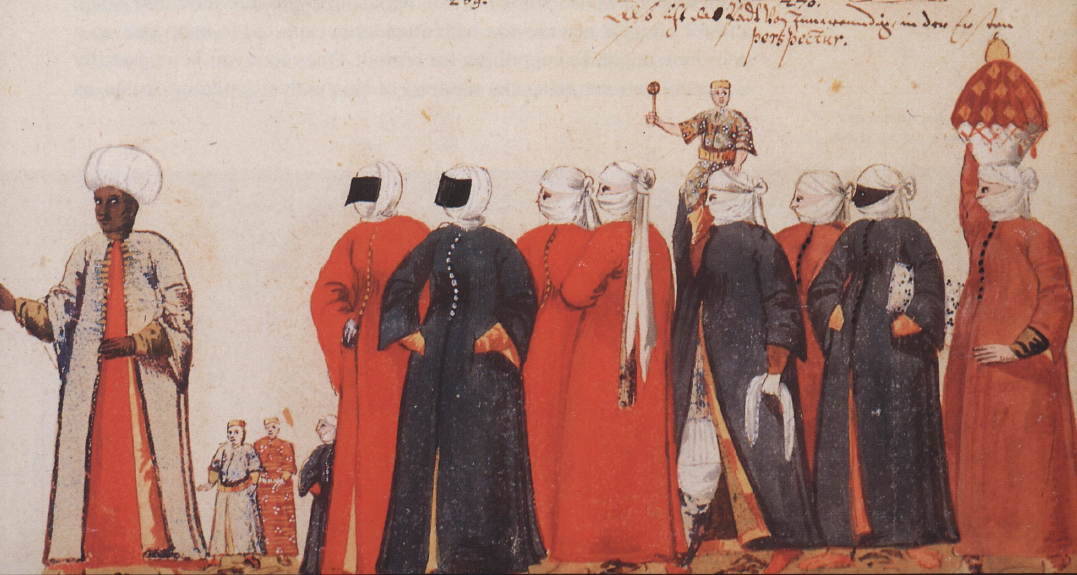
Fig 1. Codex Vindobonensis 8615. c. 1585
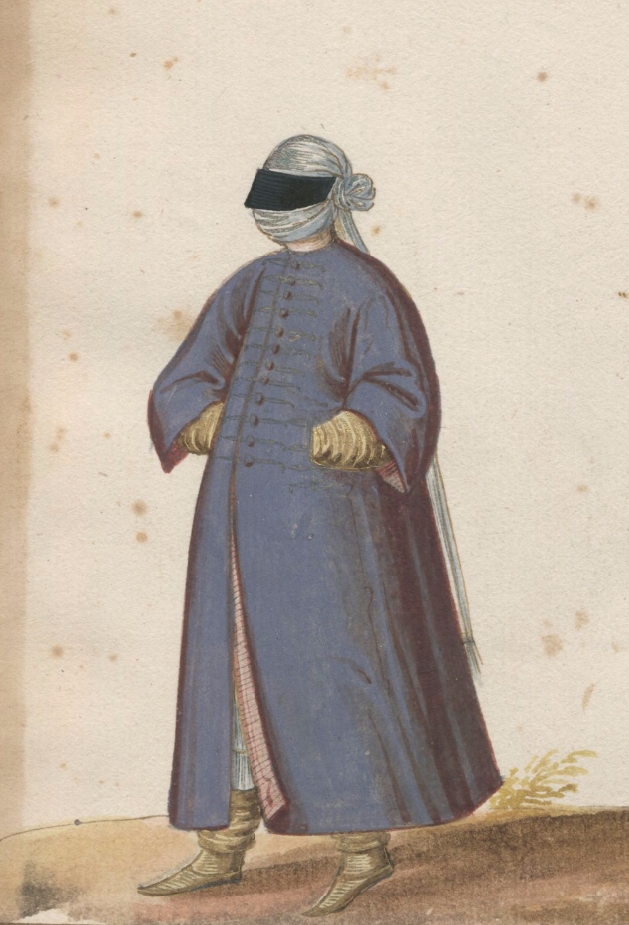
Fig. 2 Türkisches Manierenbuch (Book of Turkish Manners). c. 1595
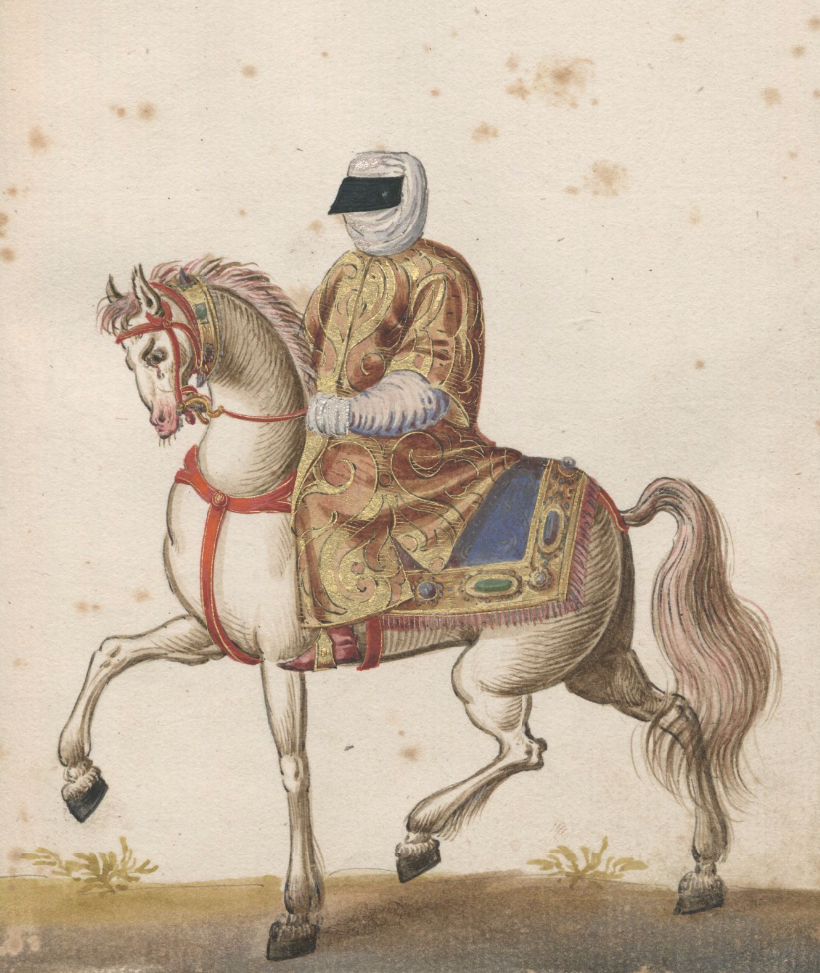
Fig. 3 Türkisches Manierenbuch (Book of Turkish Manners). c. 1595
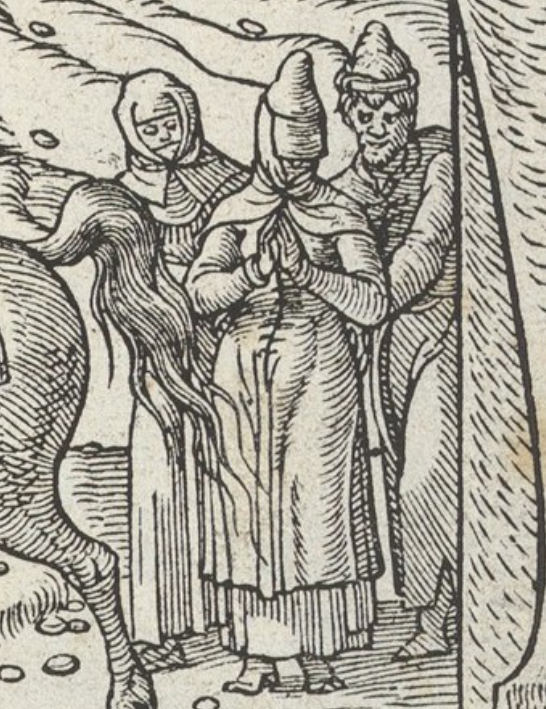
Fig 4. Detail of woman. Ces Moeurs et fachons de faire de Turcz (Customs and Fashions of the Turks), c. 1553
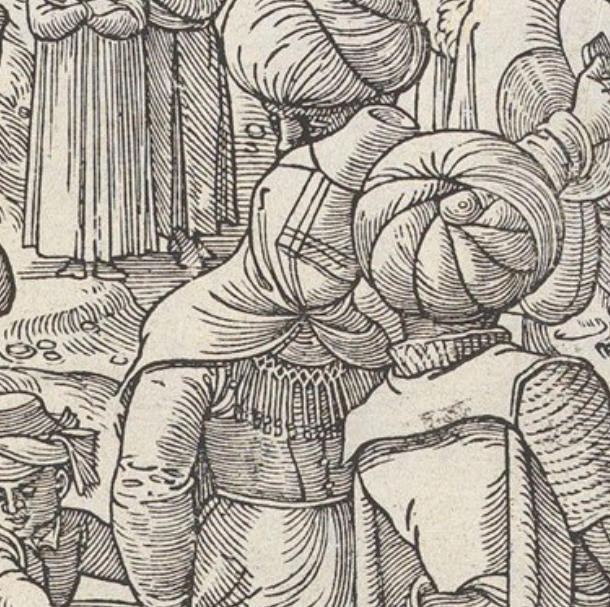
Fig 5. Detail of woman. Ces Moeurs et fachons de faire de Turcz (Customs and Fashions of the Turks), c. 1553
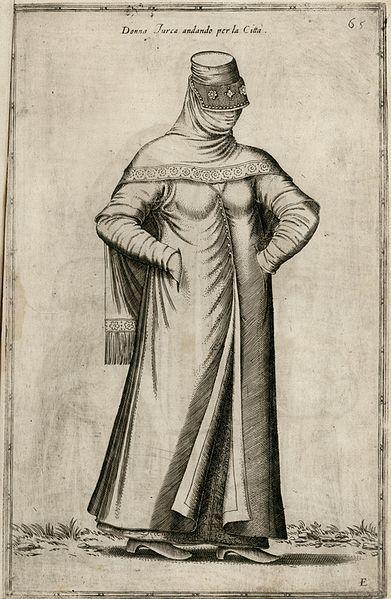
Fig 6. Donna Turca andando per la Citta - Nicolas De Nicolay - 1580
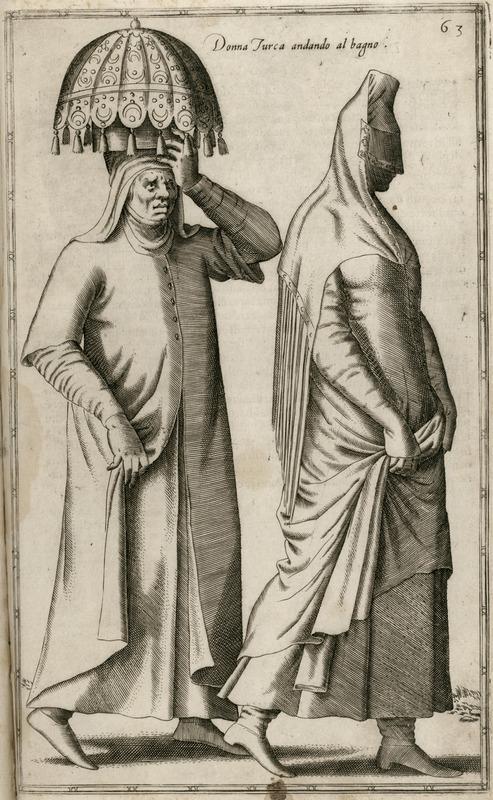
Fig 7. Donna Turca andando per la Citta - Nicolas De Nicolay - 1580
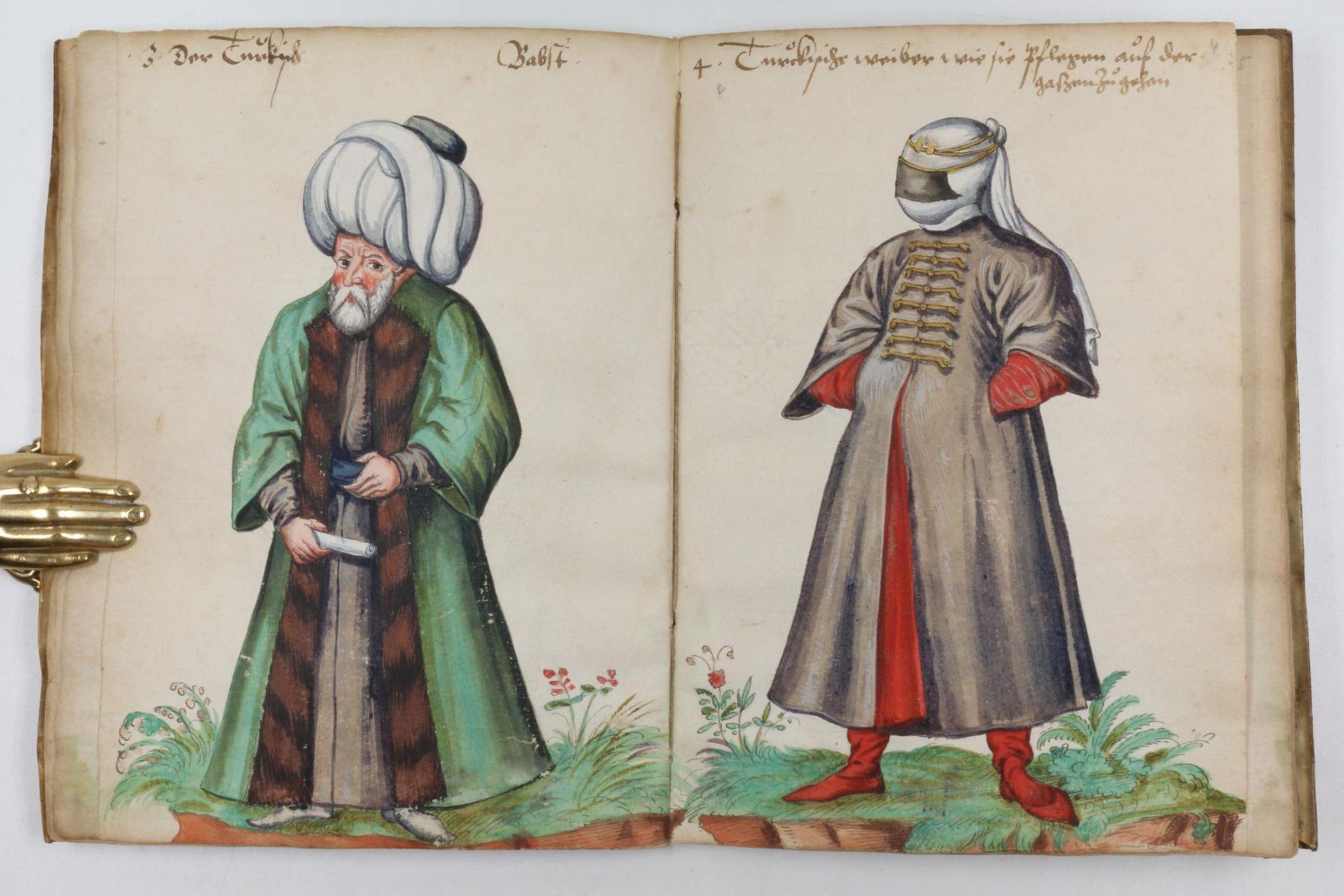
Fig. 8 “Türckische weiber wie sie pflegen auf der gaßen zu gehen” (Turkish women, as it is their wont to dress in the street), German, late 16th c.