Introduction
A kaşbastı is an embroidered headband worn in the 16th and 17th centuries by members of the Ottoman Turkish court. I have recreated this headband based on an extant tomb find (fig. 1) from Ahmed I, thought to have belonged to one of his daughters (Berker, 1973, 13). Ahmed I ruled from 1603 to 1617.
Embroidery in medieval Ottoman Turkey was done in large houses by men, or at home or in the harem by women. Many pieces are made up of multiple panels which were basted together before the design was transferred. The design was usually applied with charcoal dust. A design would first be drawn on paper, and then small holes punched in the paper. Then charcoal dust would be applied, with the dust going through the holes and onto the fabric (Krody, 2000, 41). These panels were then separated to work on individually. Commonly multiple embroiderers would have worked on the same piece, which sometimes means that larger pieces on embroidery would have mismatches where the piece is joined back together. Pieces were worked on large frames called gergefs, on which the fabric would be stretched for embroidery (Krody, 2000, 39).
This piece was presented in the journal “Türk Etnografya Dergisi” (Turkish Journal of Ethnography) by Nurhayat Berker in 1973. The author helpfully included a tracing of the pattern of the piece (fig. 2), along with a picture of the extant piece. Unfortunately the picture of the piece is not of great quality, and I was unable to find a better picture. Because of this, the exact stitches used are unknown.
Headbands of this type were worn by women from all walks of life. Fig 3. shows these headbands worn by both harem members (seated) and servants (standing). Many pieces of embroidery from the time period were completed in the harem, though it is impossible to distinguish between harem work and work made commercially. However, I believe this piece to have been completed by harem members, as this piece shows a variety of techniques, and was unlikely to have been made for commercial markets (Johnstone, 1985, 9).
Materials
The original piece was worked on linen, with silk, gold and silver thread. I have also chosen linen and silk. Due to financial and supply constraints, I have used Benton & Johnson threads for the gold and silver portions instead of real gold and silver thread.
The extant piece measures 3.5cm x 34cm, however the source (Berker, 1973, 13) mentions that only half of the piece was found. Therefore my reconstruction is 68cm (27 inches) long. This is similar in length to other pieces found in the same tomb, and with other extant pieces (Atıl, 1987, 202).
Methods
Because the picture of the extant piece is low quality, I relied on other embroideries from the same time period to determine the best stitches to use to complete this piece. After working on a sampler to determine suitable stitches, I decided to use double darning, stem stitch, and satin stitch to complete the flower portions of the motif. Berker mentions that the piece is completed with zerduz embroidery technique, where gold or silver threads are laid down close together and couched from underneath using very small stitches (Gönül, 1969, 48). I used this technique with white and yellow colored threads on the silver and gold portions, respectively. I used satin stitch for the gold leaves, as satin stitch was also commonly used with goldwork during the time period.
Colors were chosen based on other extant pieces from the time period. Ottomans used primarily red, blue, green, cream/yellow, and black for their embroideries (Krody, 2000, 52 & Gönül, 1969, 69). Pieces from the 17th c. typically only used a few of these colors, so I chose red and blue, along with the gold and white thread for the zerduz portions. Berker mentions that the entire background is done in silver, and the leaves and vines are done in gold so I followed that in my reconstruction.
In the picture of the original piece it is possible to see that the silverwork covers most of the background, and that the spaces between the flower motifs are left empty with just the background fabric showing. This is commonly seen in other contemporaneous pieces where the design tends to run all in one direction and parts of the background fabric are left visible (Fig. 5). For the stitch directions for the flowers, I chose to rely on the tracing of the pattern, which includes lines that indicate the direction of the stitches for these portions of the design. I also decided to outline the entire band in gold couching around the edge. In the picture of the piece, you can see there is some sort of edge decoration applied and I believe that gold edging was likely used on this piece. Other extant kashbasti have gold edging as well.
The source does not mention how the end of the piece is finished, so I looked at other extant pieces and decided to end in a point with ties. Some extant pieces show wear holes near the ends, which indicates that these headbands were sometimes pinned at the back of the head (Atıl, 1987, 202, Fig. 7), however most show remnants of ties which indicate that most were tied behind the head.
Bibliography
- Atıl, E. (1987). The Age of Sultan Süleyman the Magnificent. National Gallery of Art.
- Berker, N. (1973). Kaşbastı (Diadem). Türk Etnografya Dergisi (Turkish Journal of Ethnography), 13, 9-22.
- Ellis, M., & Wearden, J. (2001). Ottoman Embroidery. Harry N. Abrams.
- Gönül, M. (1969). Some Turkish Embroideries in the Collection of the Topkapi Sarayi Museum in Istanbul. Kunst des Orients, 6(H01), 43-76.
- Johnstone, P. (1985). Turkish embroidery. Victoria & Albert Museum.
- Krody, S. B. (2000). Flowers of Silk and Gold: Four Centuries of Ottoman Embroidery. Merrell.
Appendix
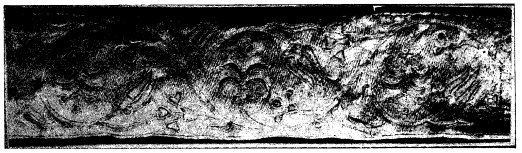
Fig. 1 (Berker, 1973, 22) Extant piece.
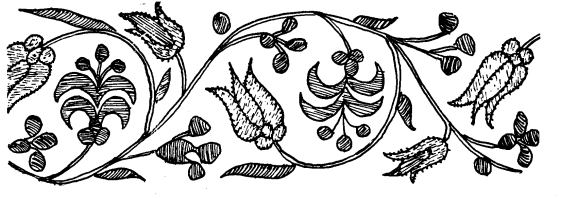
Fig. 2 (Berker, 1973, 22) Drawing of extant piece
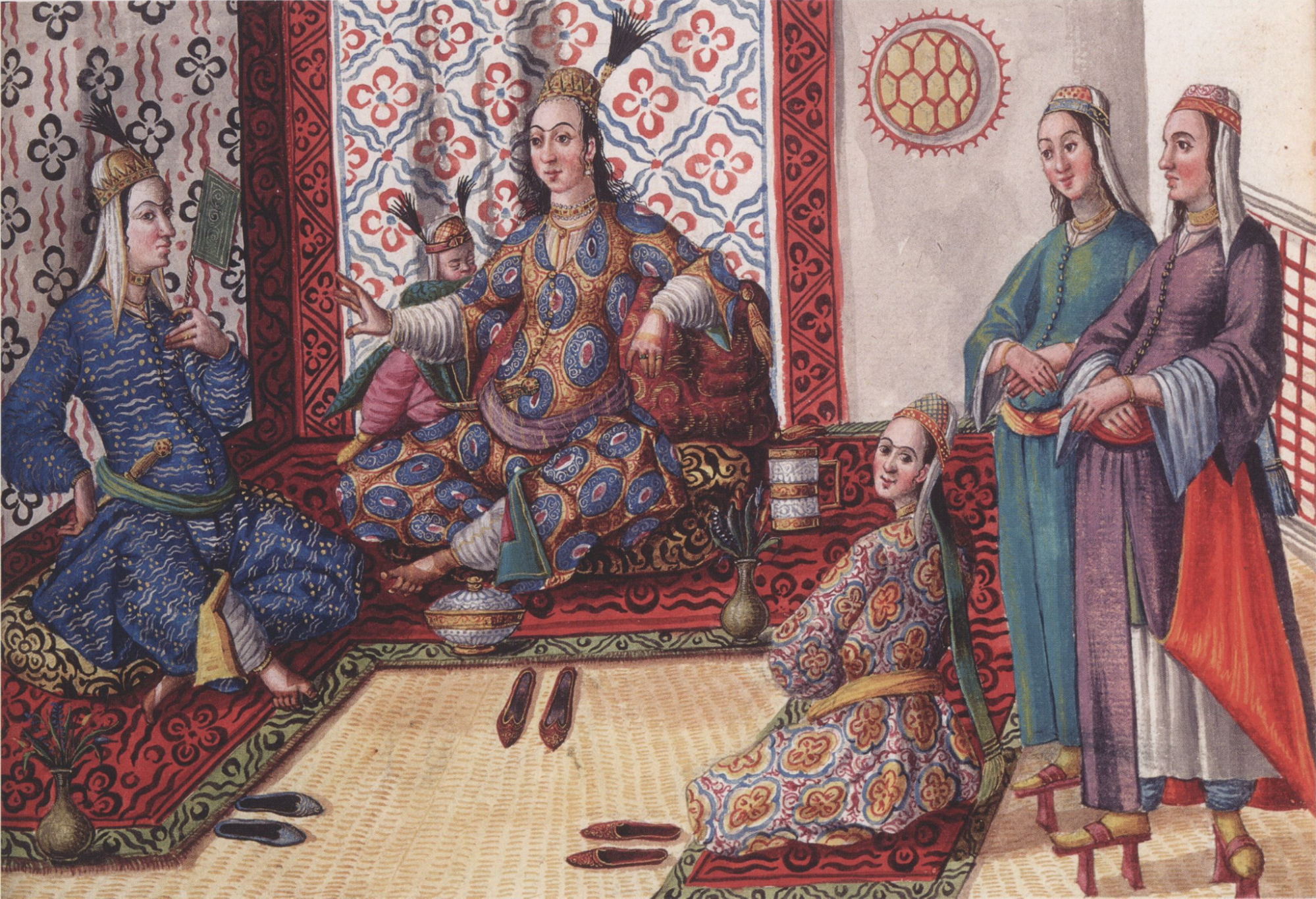
Fig. 3 Codex Vindobonensis 8626, 1586-1591.
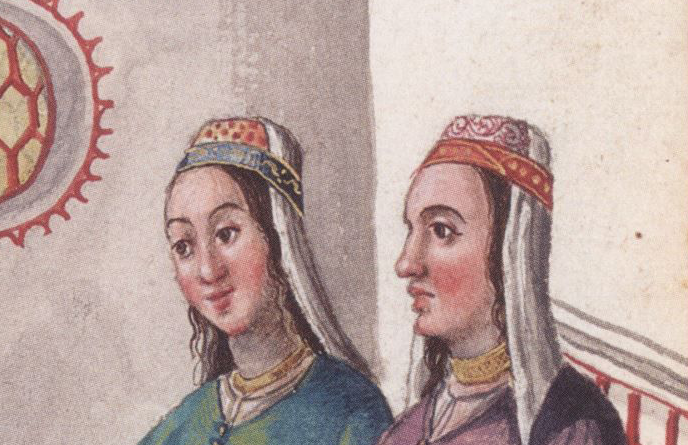
Fig. 4 Codex Vindobonensis 8626, 1586-1591. Detail
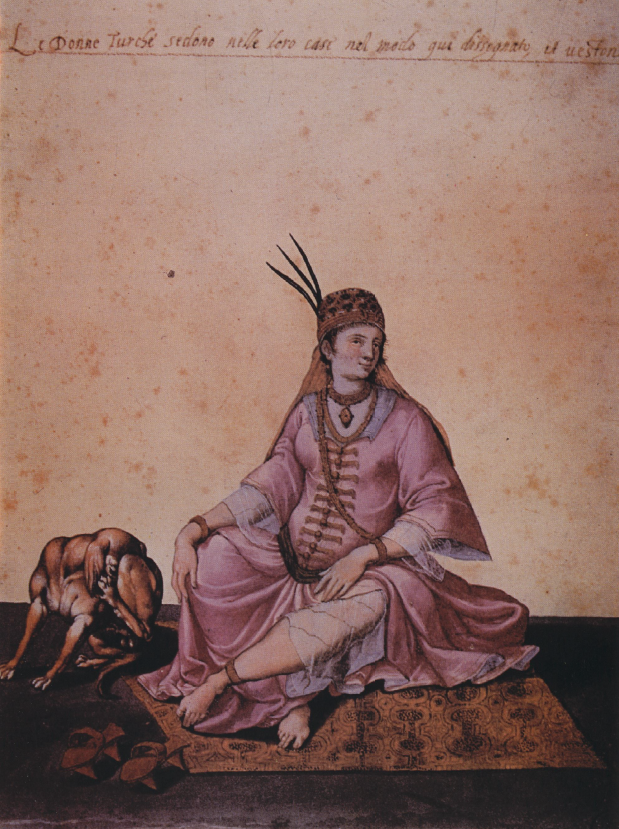
Fig. 5 Jacopo Ligozzi, c. 1577-1580
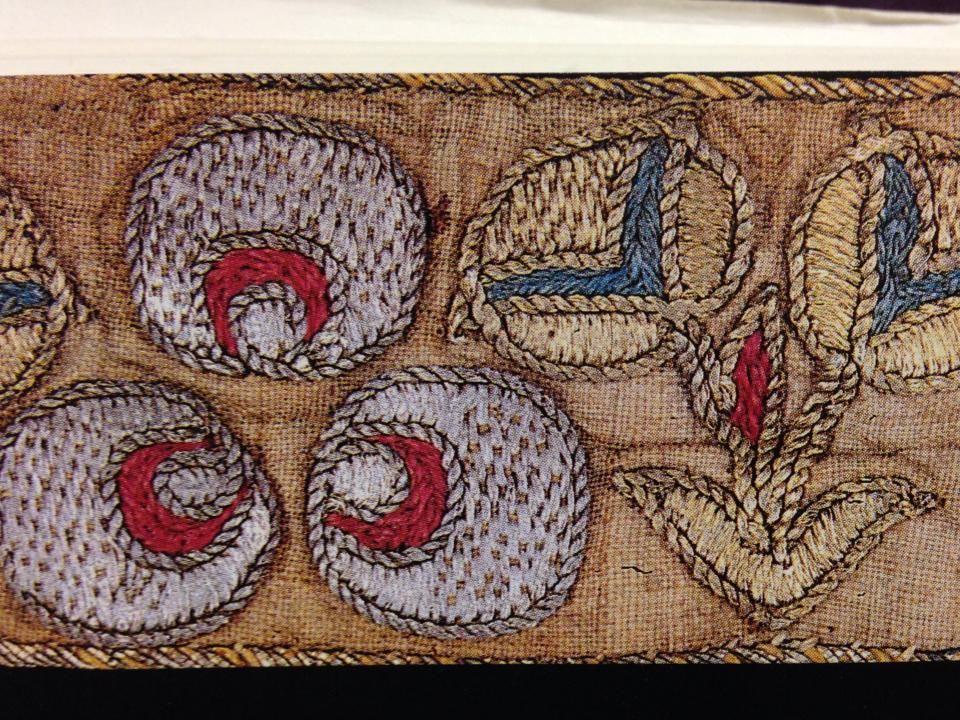
Fig 6. Extant kaşbastı fragment, also found in the tomb of Ahmed I
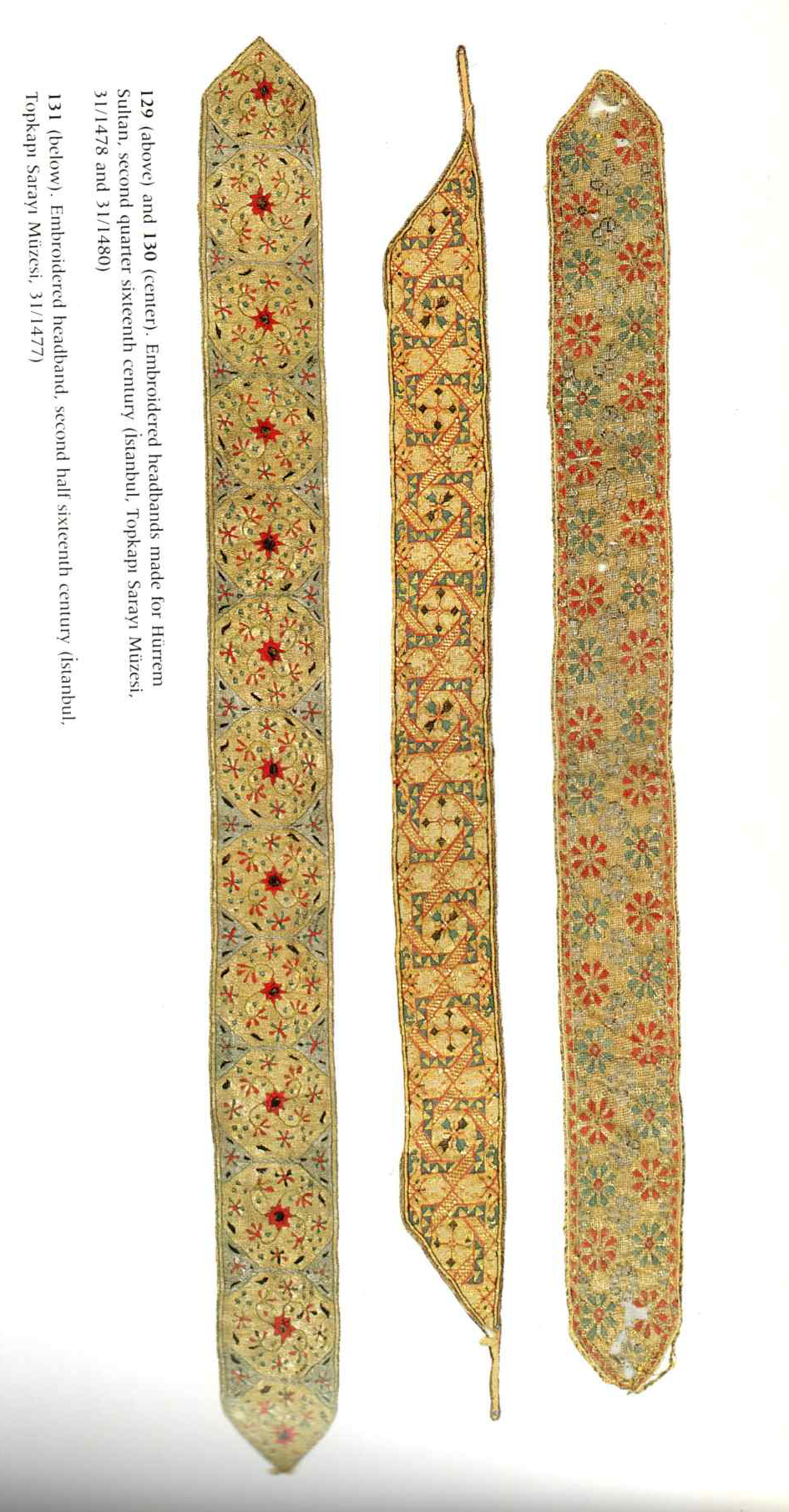
Fig 8. More surviving kaşbastı (Atıl, 1987, 202)
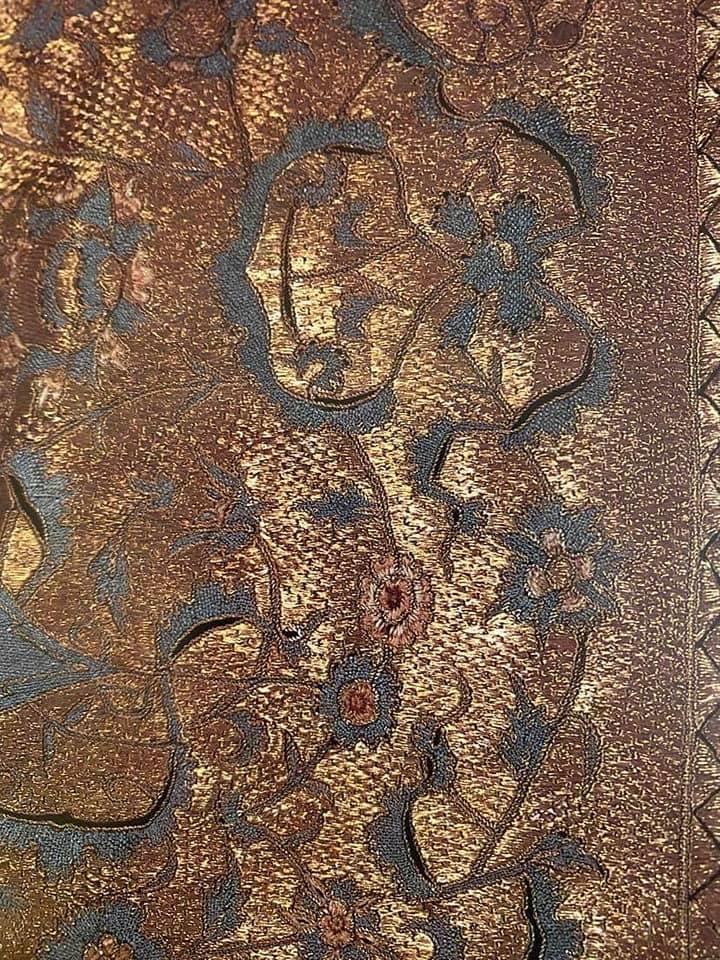
Fig 9. Ottoman cloud collar showing filled goldwork embroidery. 16th c.